Room Lighting Guide

Lighting plays a major role in how a space looks and functions, but placement is just as important as the fixture itself. The right positioning can improve visibility, highlight key areas, and create a balanced feel throughout the room.

This guide explains how to place light fixtures properly so your space is both practical and well lit.

Kitchen

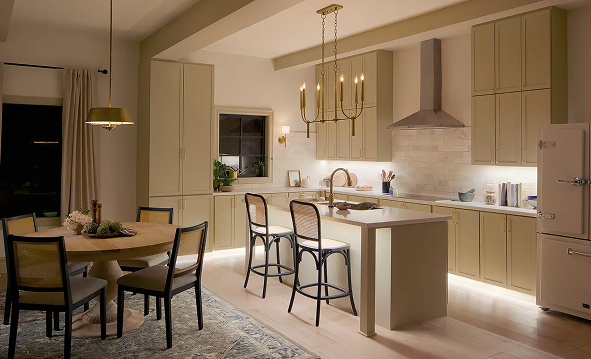
KITCHEN ISLAND

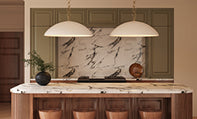
Pendant lights above a kitchen island should be spaced evenly to provide balanced task lighting without crowding the space. In most kitchens, pendants are hung 30 to 36 inches above the countertop.

When using multiple pendants, they should be spaced 24 to 30 inches apart and positioned 6 to 12 inches in from the edge of the island to maintain visual balance.

Bathroom

BESIDE THE MIRROR

Lighting placed beside the mirror helps illuminate the face evenly and reduces shadows. Wall sconces are typically installed 60 to 66 inches from the floor, or around eye level, on both sides of the mirror.

ABOVE THE MIRROR

When side lighting is not possible, a fixture above the mirror can provide effective illumination. The light should be centered over the mirror and positioned 75 to 80 inches from the floor so the light spreads evenly across the vanity area.

Dining Room

ROUND TABLE

For round dining tables, a single chandelier or pendant centered above the table creates balanced lighting. The fixture should hang 30 to 36 inches above the tabletop. Ideally, the chandelier diameter should be about half to two thirds the width of the table.

RECTANGULAR TABLE

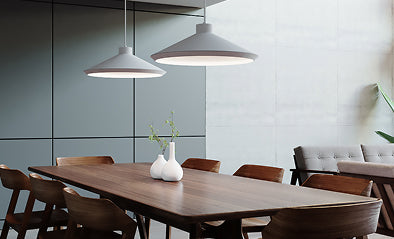
Rectangular tables often look best with a linear chandelier or multiple pendants spaced evenly along the table. The fixture should hang 30 to 36 inches above the table surface and be centered with the table, not the room.

Bedroom

BESIDE THE BED

Bedside lighting provides focused light for reading and nighttime use. Wall sconces are typically installed 24 to 30 inches above the mattress height, or roughly 48 to 60 inches from the floor, depending on bed height.

ABOVE THE BED

A fixture above the bed can add soft ambient lighting and visual balance to the room. When used, it should be centered over the bed and hung high enough to maintain comfortable headroom.

Living Room

SEATING AREA

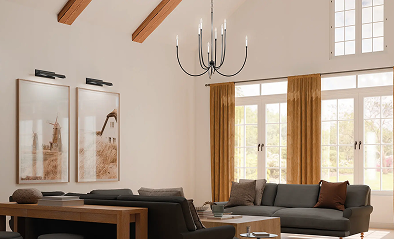
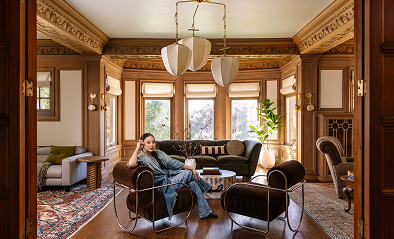
Lighting in the main seating area should provide soft, even illumination without creating glare. A chandelier is typically centered within the seating arrangement and should hang at least 7 feet from the floor to maintain comfortable clearance.

BESIDE THE SOFA

Lighting beside the sofa helps create a comfortable reading or relaxation area. Floor lamps usually stand 58 to 64 inches tall, allowing the light to fall comfortably over the seating area.

Foyer

ENTRYWAY

Lighting in an entryway should provide clear illumination while creating a welcoming first impression. Chandeliers or flush mounts are typically centered in the foyer and positioned at least 7 feet from the floor. In rooms with higher ceilings, the fixture may hang 30 to 36 inches from the ceiling above the entry table or floor level sightline.

Office

DESK

Desk lighting should provide focused illumination for work and reading. A task lamp placed slightly to the side of the desk should sit 15 to 20 inches above the desk surface to provide direct lighting without glare.