


Wall sconces can elevate any room in your house. When chosen and installed correctly, these lighting fixtures add ambiance, improve illumination, and enhance the overall design of your space. However, there are several common lighting mistakes homeowners make with wall sconce lighting that can negatively affect both function and style.
If you’re planning to update your wall lighting, here’s what to avoid so your sconces truly complement your space and create a well lit room.
1. Installing a Sconce at the Wrong Height
One of the most common mistakes with sconce lighting is mounting each wall sconce at the wrong height. Placement plays a crucial role in achieving balanced illumination and preventing harsh shadows.
In most rooms, sconces should be installed around 60 to 66 inches from the floor, depending on ceiling height. In spaces with higher ceiling dimensions, you may need to adjust slightly to keep the fixture near eye level. Mounting too high can disconnect the lighting from the room, while placing it too low can create glare and uneven illumination.
In hallways, wall lighting is often centred at eye level to provide general illumination without overwhelming the space. In bathrooms, sconces should flank the mirror at a height that provides even illumination across the face. Always consider inches from the floor and the specific room size before installing your lighting fixtures.
2. Relying Only on Overhead Lighting
One of the most common lighting mistakes is relying solely on overhead lighting or ceiling lights. While ceiling fixtures provide general illumination, they rarely create warmth or depth on their own.
Sconce lighting works best as part of a layered lighting approach. Combine wall sconces with ceiling fixtures, table lamps, and floor lamps to build ambient lighting, task lighting, and accent lighting throughout the room. This layered lighting strategy prevents harsh shadows and ensures balanced illumination across the space.
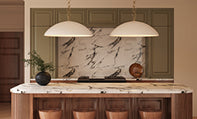
In living rooms, for example, overhead lighting paired with wall lighting and table lamps near seating areas creates a welcoming ambiance. In dining rooms, adding a wall sconce can soften the brightness of ceiling lights and help create a more inviting atmosphere.
3. Choosing the Wrong Bulbs or Color Temperature
The type of bulbs you use can dramatically affect the mood and ambiance of a room. Many homeowners overlook color temperature, which can lead to lighting that feels too cold or too yellow.
For most living spaces, warm white led bulbs enhance comfort and create a relaxed mood. Cooler color temperature options may work better in home offices or bathrooms where clarity is important for task lighting.
Smart bulbs and dimmer switches give you flexibility to adjust brightness and mood throughout the day. With the right bulbs, wall sconce lighting becomes more versatile and energy efficiency improves at the same time.
4. Poor Placement That Creates Uneven Illumination
Poor placement is one of the most common mistakes with wall lighting. Sconces placed too far apart can cause uneven illumination, while placing too many fixtures in a small space can create visual clutter.
In hallways, evenly spaced sconces ensure consistent lighting from one end to the other. In living rooms, positioning wall sconces near seating areas or reading nooks helps add depth and provide focused illumination where it’s needed.
When highlighting architectural features or artwork, careful placement is essential. Properly positioned wall lighting can highlight artwork, enhance architectural details, and draw attention to sculptural forms without overpowering the room. Always think about your lighting plan as a whole so each wall sconce complements other fixtures in the space.
5. Ignoring the Overall Design and Style
Sconces are more than functional fixtures. They’re decorative elements that contribute to your house’s overall design. Choosing incompatible styles can make your lighting feel disconnected from the rest of the room.
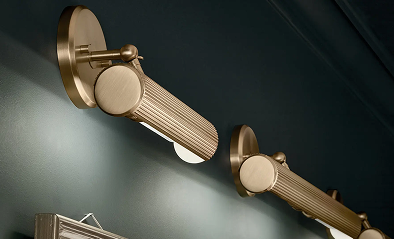
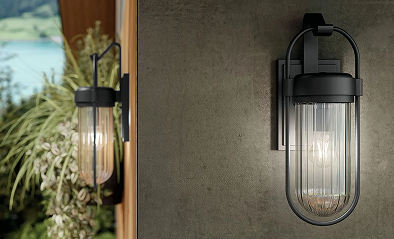
For a modern look, matte black wall sconces pair beautifully with clean lines and minimalist decor. If your style leans traditional or transitional, antique brass finishes add warmth and elegance. In bathrooms, sconces beside a mirror should coordinate with faucets and hardware. In hallways and living rooms, wall lighting should support the overall ambiance and mood you want to create. The key is selecting fixtures that complement your ceiling lights, table lamps, and floor lamps so the lighting feels cohesive.
6. Forgetting About Natural Light
Natural light changes how lighting appears throughout the day. A room with large windows may need less ambient lighting during daylight hours, while interior hallways require consistent illumination. When planning sconce lighting, consider how natural light interacts with ceiling fixtures and other lamps in the room. The goal is to achieve balanced illumination both day and night.
7. Overlooking Function in Key Rooms
Different rooms have different lighting needs:
-
In bathrooms, wall sconce lighting near the mirror supports grooming tasks and prevents shadows on the face.
-
In home offices, sconces can provide subtle task lighting without taking up space on a table.
-
In living rooms, wall lighting enhances ambiance and works alongside floor lamps and table lamps to create a comfortable setting.
-
In hallways, sconces guide movement safely across the floor while enhancing architectural features.
-
In bedrooms, consider how sconces compare to bedside lamps. A properly installed wall sconce frees up table space while still offering focused illumination for reading.
8. Not Considering Hardwired Fixtures Versus Plug In Options
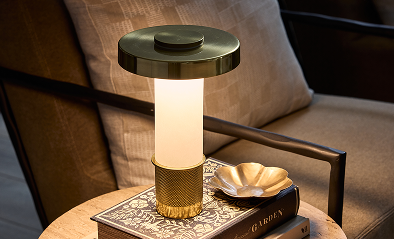
Some homeowners overlook the difference between hardwired fixtures and plug in designs. Hardwired fixtures offer a clean, built in look and integrate seamlessly with ceiling and wall lighting systems. Plug in sconces provide flexibility, especially in rental properties or spaces where wiring changes aren’t practical. Both options can complement your overall lighting plan, but it’s important to choose based on your space, ceiling structure, and long term goals.
9. Using Sconces as the Only Source of Lighting
While sconces play a crucial role in creating ambiance, using them as the only source of lighting can leave a room under lit. Wall lighting should work together with ceiling lights, lamps, and other fixtures to create a well lit room. Combining sconces with table lamps on a side table, floor lamps beside seating areas, and ceiling fixtures ensures your house feels cohesive and functional.
10. Forgetting About Energy Efficiency
Modern led bulbs and smart bulbs make it easier than ever to improve energy efficiency without sacrificing style. Choosing high quality lighting fixtures that support efficient bulbs reduces long term costs while maintaining beautiful illumination. When thoughtfully selected and properly installed, sconces enhance ambiance, improve task lighting, and highlight architectural details throughout your home.
Create a Balanced and Beautiful Lighting Design
Avoiding these common lighting mistakes ensures your wall sconce lighting enhances your room rather than detracts from it. From choosing the right color temperature to placing sconces at the correct eye level, every decision affects illumination, mood, and overall ambiance.
A well designed lighting plan blends wall lighting, ceiling fixtures, table lamps, floor lamps, and natural light to create balanced illumination across every floor and ceiling in your house.
Shop Wall Sconces at Lights Canada
Ready to transform your space with thoughtfully chosen sconces? Shop wall sconces at Lights Canada and find the perfect lighting fixtures to complement your style, enhance your ambiance, and elevate every room in your home.
