


Recessed lighting can brighten a room without adding a fixture that hangs into the space. Because recessed lights sit close to or inside the ceiling, they’re ideal when you want a clean look, even illumination or extra light without competing with pendants, chandeliers and other decorative fixtures.
The right recessed lighting depends on more than size. Ceiling height, beam spread, housing, trim, colour temperature, moisture rating, placement and the type of light you need all affect the final result. This guide covers the main types of recessed light fixtures, common sizes and practical tips to help you choose recessed lighting for every room.
What Is Recessed Lighting?
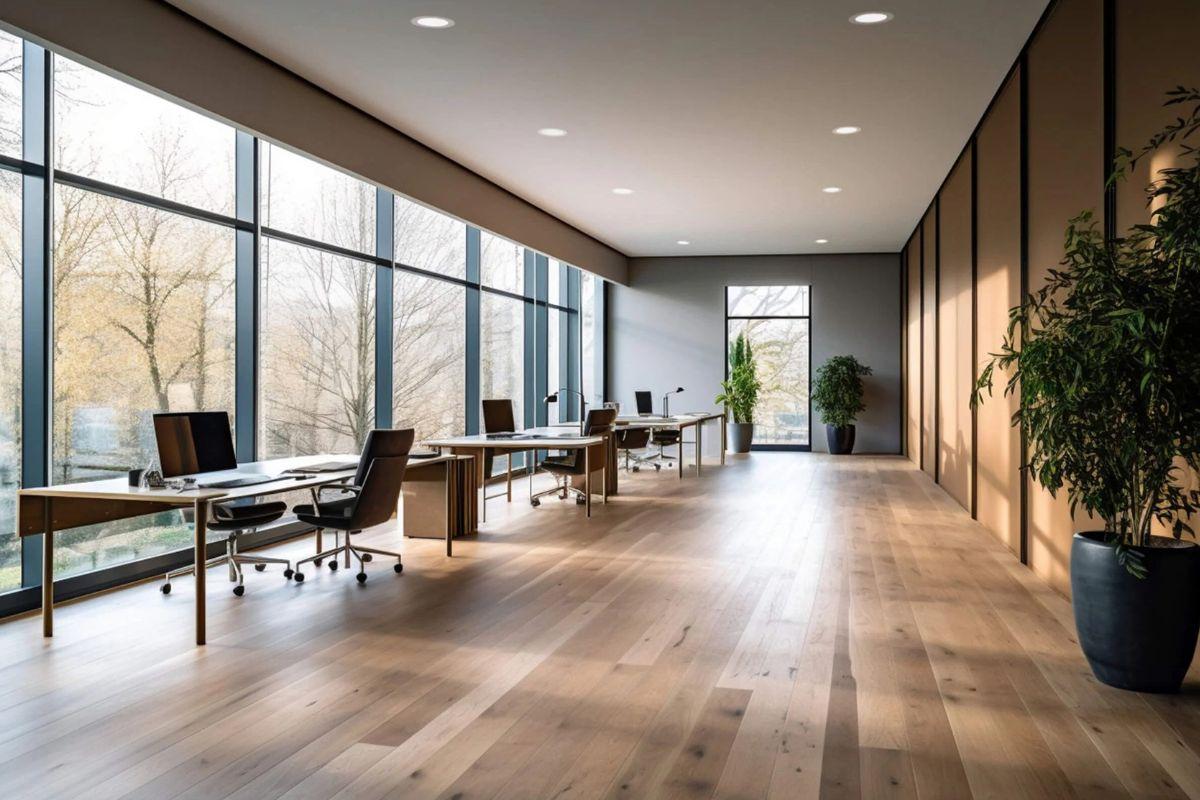
Recessed lighting is a light fixture installed inside a hollow opening in a ceiling or wall so that it sits flush with the surface. Often called a can light or downlight, it exposes only the inside trim and bulb, making it look clean and modern while saving space.
Most recessed fixtures direct light downward, although adjustable recessed lighting can angle the beam toward walls, artwork, shelving or architectural details. This makes recessed lighting useful for ambient lighting, task lighting and accent lighting.
Types of Recessed Lighting
There are several types of recessed lighting, and the best choice depends on your ceiling, construction and lighting goals.
-
Canless Recessed Lighting
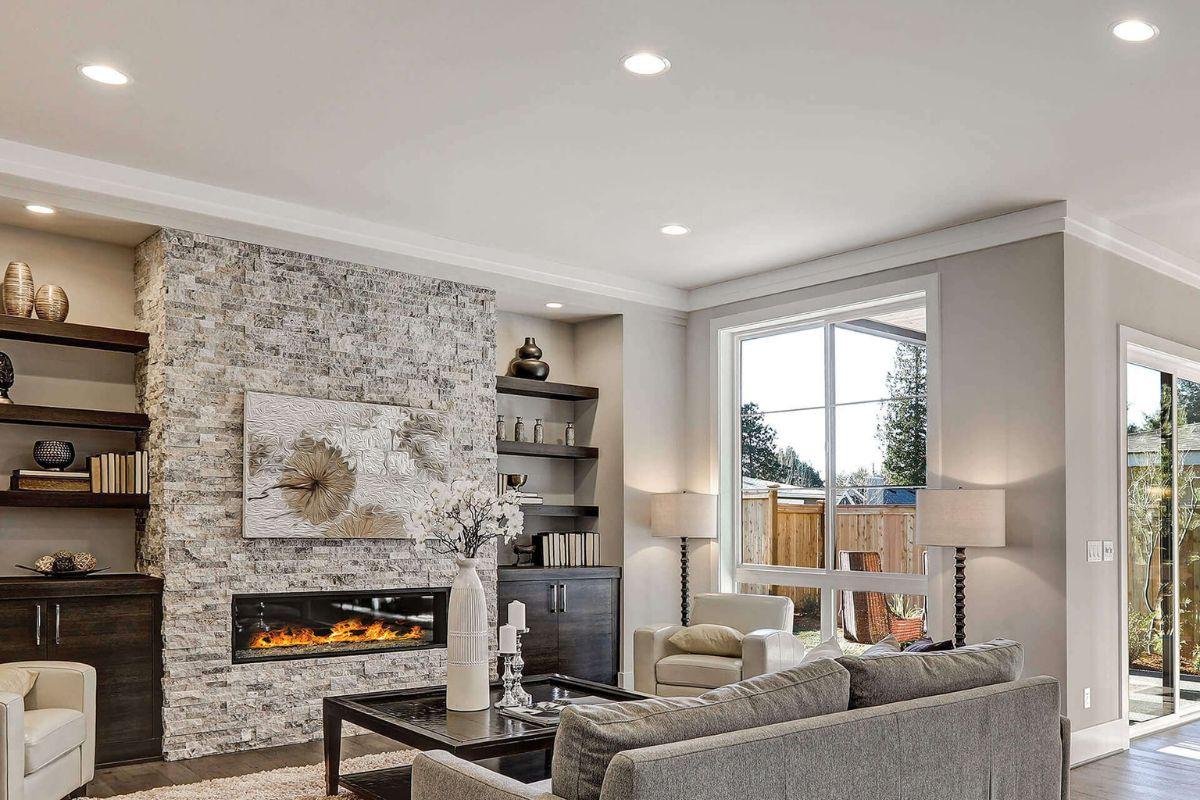
Canless recessed lighting uses a thin LED module instead of a traditional metal can. These fixtures sit almost flush with the ceiling surface and typically need less clearance above it.
Canless recessed lights are especially useful for renovations because their shallow design provides more flexibility around ceiling joists and other construction elements. Many models also offer selectable colour temperatures, dimming and damp- or wet-location ratings.
-
Traditional Can Recessed Lighting
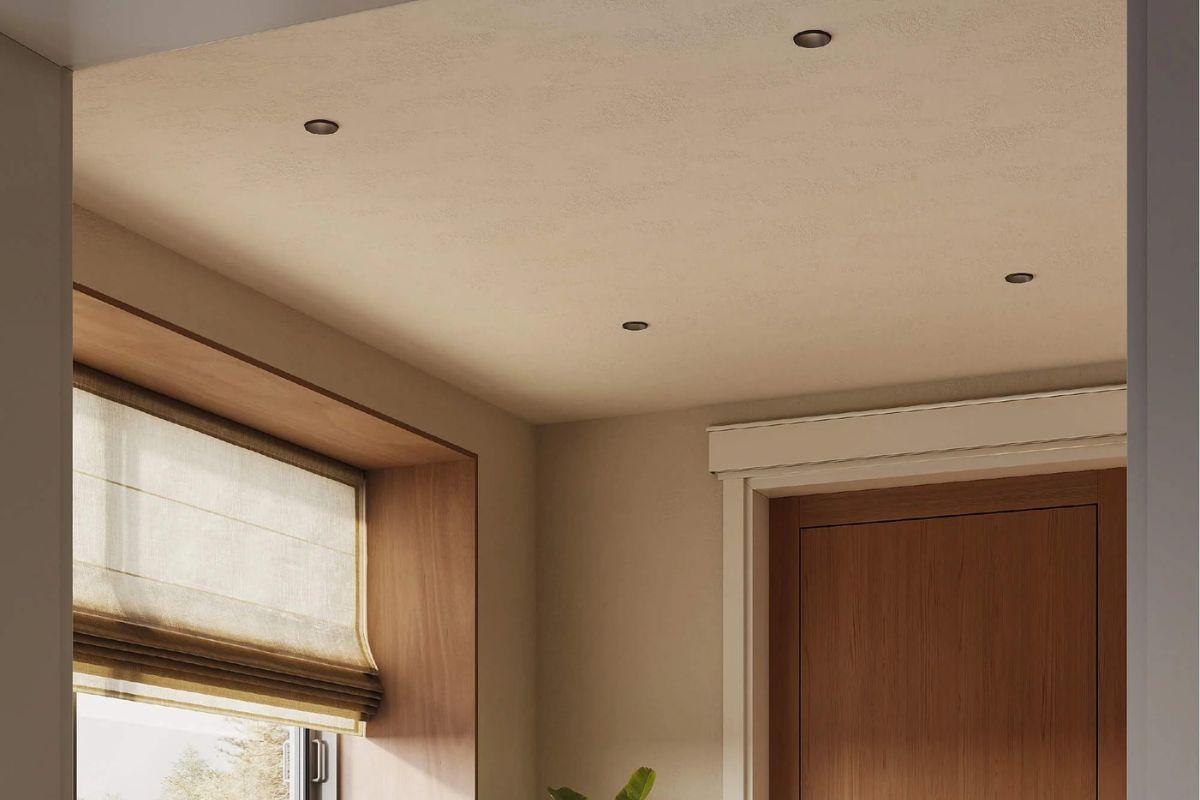
Traditional recessed lighting uses a dedicated housing installed above the ceiling. The trim and bulb are inserted into that housing from below.
Two types of housing are commonly used. New construction housings are installed before the finished ceiling goes in and can be secured to framing or ceiling joists. Remodel housings are designed for finished ceilings where access from above is limited.
-
IC-Rated and Non-IC-Rated Recessed Lighting
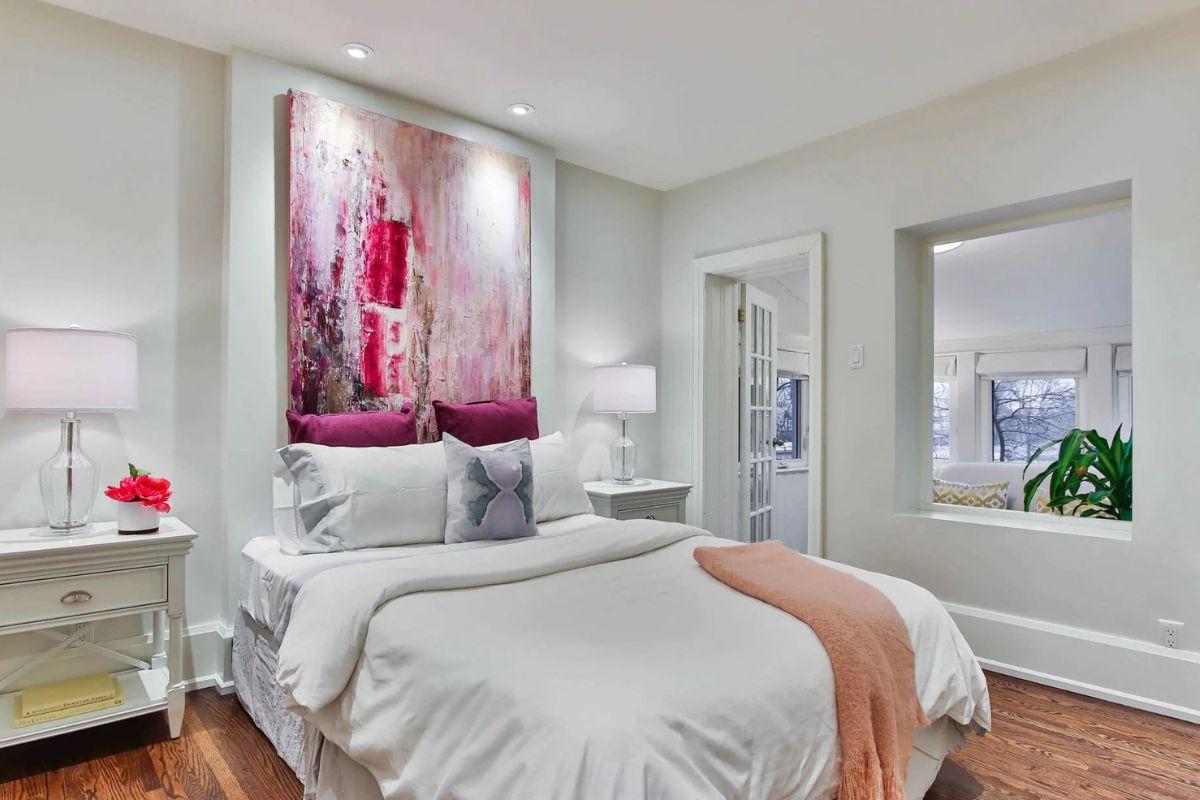
IC-rated recessed lighting is designed for direct contact with insulation. “IC” means insulation contact.
This is important because insulation can trap heat around a light fixture. If insulation will touch or closely surround the housing, use an IC rated fixture approved for direct contact and follow its installation instructions.
Non IC rated fixtures aren’t designed for direct contact with insulation and require clearance around the housing. Using the wrong fixture around insulation can create a fire hazard, so always check the product specifications.
-
Wet-Rated Recessed Lighting
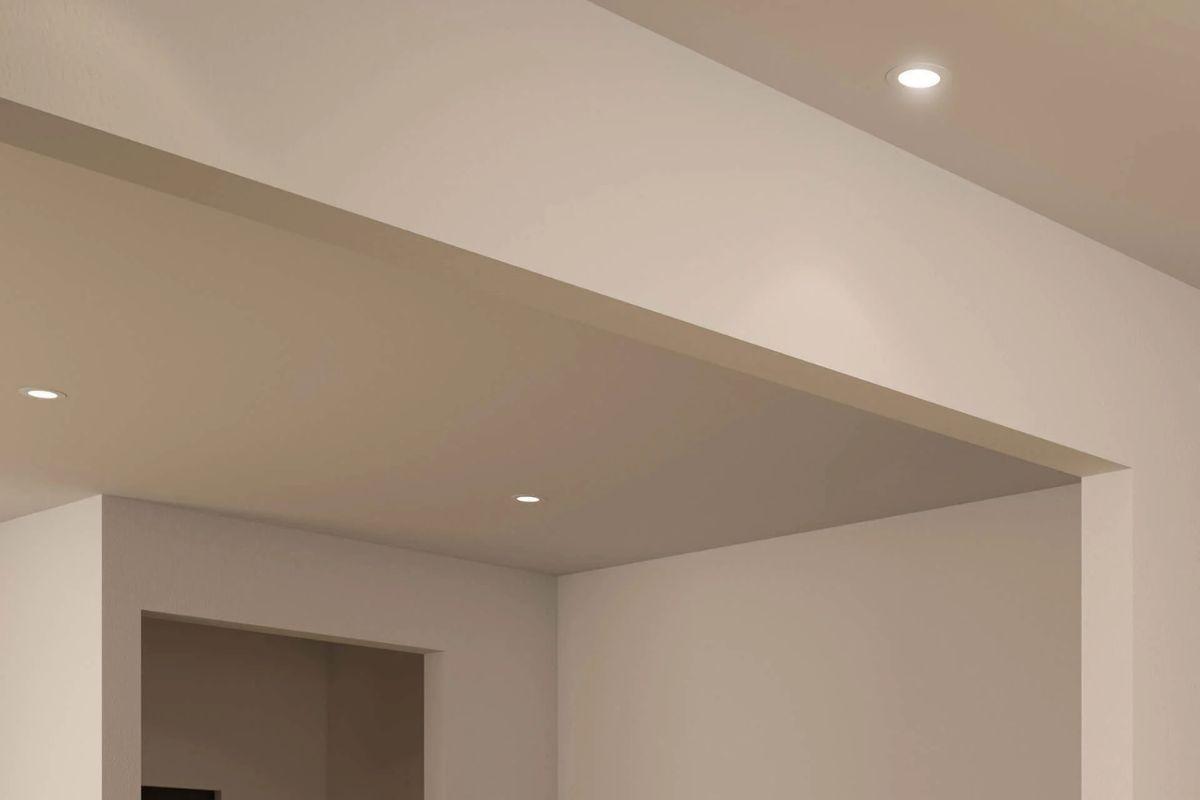
Wet-rated recessed lighting is designed for areas where a fixture may come into direct contact with water. Depending on the product, wet-rated recessed lights can be suitable for showers, outdoor soffits and other moisture-prone spaces.
For bathrooms and exterior applications, check whether each recessed fixture is rated for dry, damp or wet locations rather than assuming all lights can be used anywhere.
-
Adjustable and Gimbal Recessed Lighting
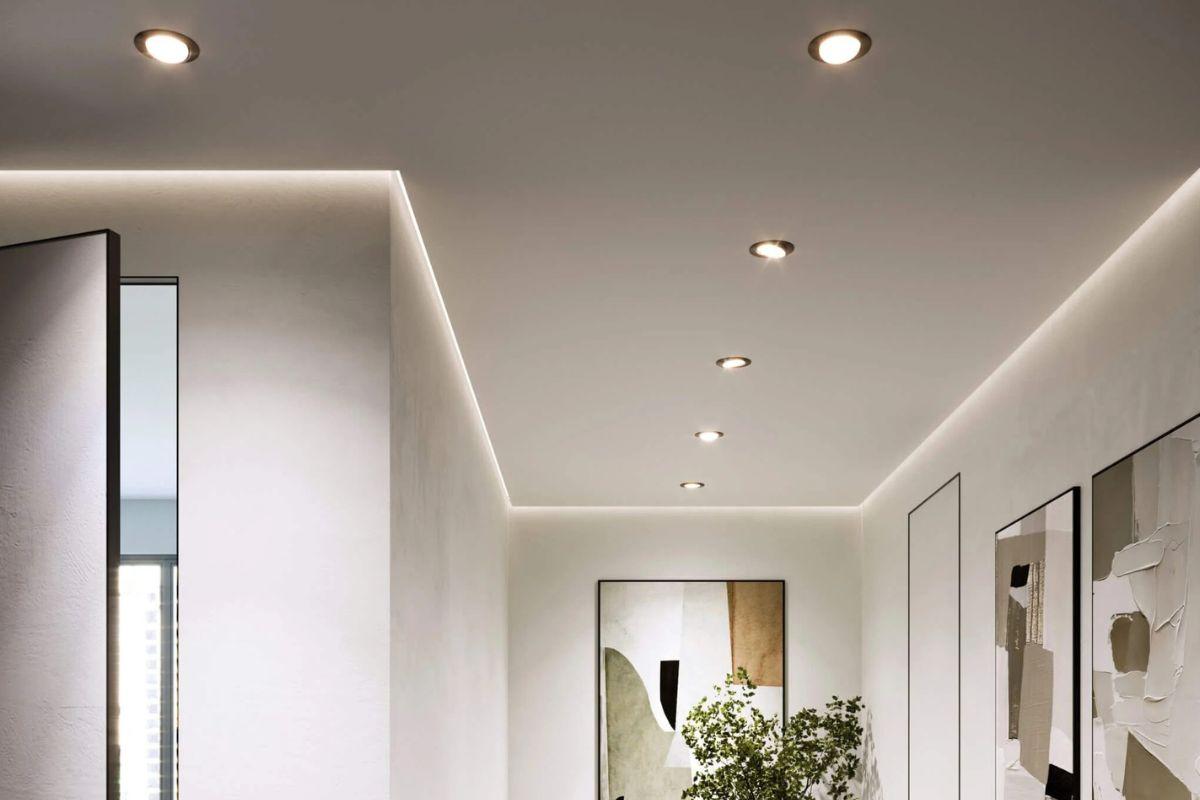
Adjustable recessed lighting changes the direction of the beam instead of sending direct light straight down. A gimbal trim is useful for accent lighting, sloped ceilings, artwork, fireplaces or shelving.
If you want recessed lighting to highlight a feature rather than provide only general light, adjustable fixtures give you more control.
-
Baffle, Reflector and Decorative Trims
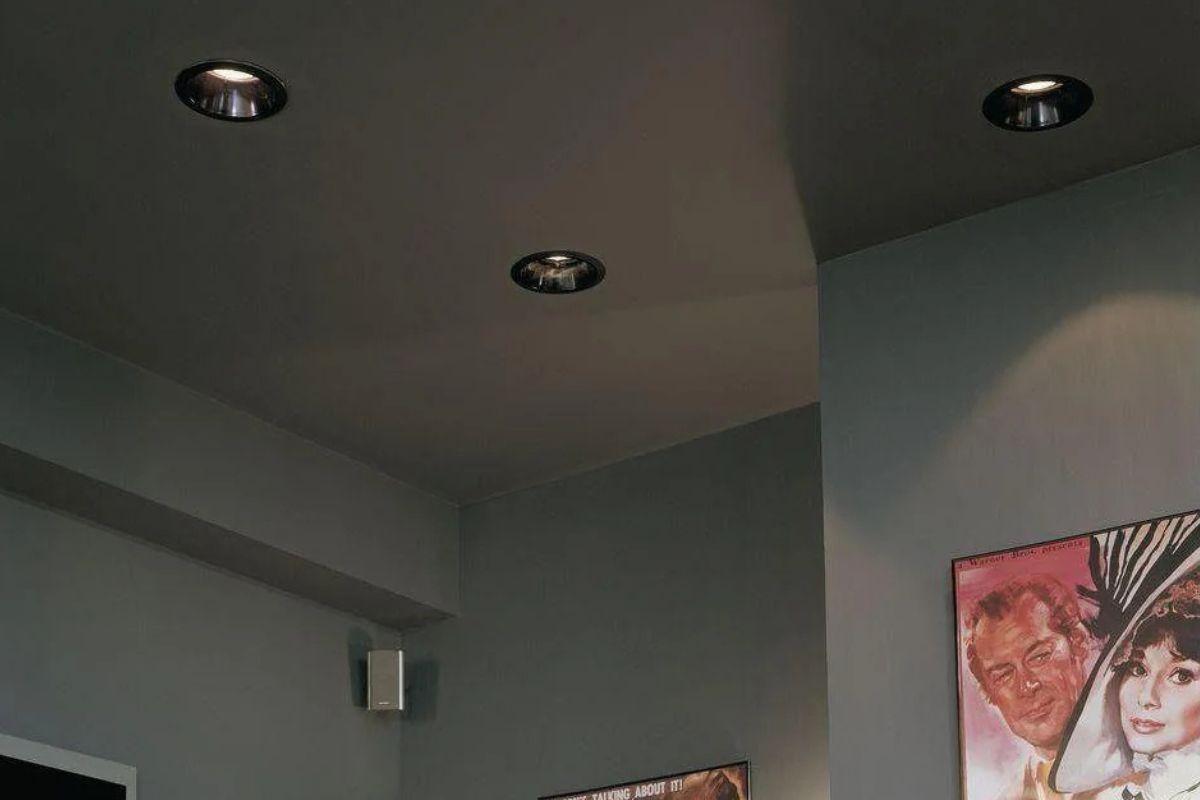
Trim affects both the style and performance of recessed lighting. A baffle trim has a ribbed interior that can help reduce glare. A reflector trim uses a smoother surface to direct light efficiently. Decorative trim options, including white, black and metallic finishes, can either blend into the ceiling or become part of the room’s design.
Recessed Lighting Sizes
Recessed lighting sizes usually refer to the diameter of the visible opening or light area. Common residential sizes include 2 inch, 3 inch, 4 inch, 5 inch and 6 inch recessed lights.
The right size isn’t based only on room size. Ceiling height, lumen output, beam angle, spacing and style all matter. Smaller recessed lights create a discreet look, while larger lights can provide broader coverage and a more traditional downlight appearance.
|
Recessed Lighting Size |
Typical Use |
What to Know |
|---|---|---|
|
2 inch |
Small spaces, niches, displays, accent lighting |
Compact and subtle. Ideal when you want targeted light or minimal visual impact. |
|
3 inch |
Hallways, small kitchens, bedrooms |
Clean and modern while still providing useful general or task lighting. |
|
4 inch |
Kitchens, bedrooms, living rooms, offices |
A versatile residential choice that balances useful output with a streamlined look. |
|
5 inch |
Medium to large rooms |
Creates a wider pool of light and can work where fewer fixtures are preferred. |
|
6 inch |
Larger rooms, higher ceilings |
Offers broad coverage and a classic recessed lighting appearance. |
2-inch recessed lights are often used where you want fixtures to almost disappear into the ceiling. They can work well along hallways, in display areas or for accent lighting. Three-inch recessed lights suit compact rooms and modern interiors where less visual clutter is preferred.
4-inch recessed lighting is one of the most flexible choices for homes. It can provide task lighting in a kitchen, ambient lighting in bedrooms or living rooms and practical light in hallways and home offices.
5- and 6-inch recessed lights create a larger opening and wider pool of direct light, which can work well in larger rooms or spaces with greater ceiling height. However, modern LED technology means diameter alone doesn’t determine brightness. Always compare lumens and beam angle when planning recessed lighting.
How to Choose the Right Recessed Lighting for Your Room
The right recessed lighting starts with what the room needs the light to do.
-
Kitchen
Kitchen recessed lighting should provide even illumination over counters, sinks, islands and walkways. Placement matters because lights installed too far behind where you stand can cause your body to cast shadows over a work surface.
Use recessed lights for general lighting, then layer them with under-cabinet lights, pendants or other task lighting. Four-inch fixtures are common, but 3 inch, 5 inch and 6 inch lights can also work depending on ceiling height, output and spacing.
-
Living Room
In living rooms, recessed lighting works best as part of a layered plan. Recessed lighting can provide ambient light while lamps, sconces and decorative fixtures add warmth and style.
Plan fixtures around furniture, focal points and artwork instead of defaulting to a rigid grid. Adjustable downlights can highlight a fireplace or wall, while standard recessed fixtures provide balanced general illumination.
-
Bedroom
Bedroom recessed lighting should feel comfortable rather than overly bright. Warm colour temperatures, dimming and wider beam spreads can help create a softer atmosphere.
Avoid placing lights where they’ll shine directly into your eyes when you’re lying in bed. Pair recessed lighting with bedside lamps, wall lights or a decorative ceiling fixture for more control.
-
Bathroom
Bathrooms need practical light, but moisture ratings are essential. Use damp- or wet-rated recessed lights where required, especially near showers and tubs.
A wet-rated recessed light above a shower can provide direct light without adding a bulky fixture. For grooming, combine ceiling lights with vanity lighting at face level.
-
Hallways and Corridors
Hallways benefit from evenly spaced recessed lights that keep the path bright without overwhelming a narrow ceiling. Smaller 2 inch or 3 inch downlights can look especially clean in compact corridors. A wider hallway or higher ceiling may suit 4 inch recessed lighting.
-
Basement
Recessed lighting is useful in basements because ceiling height is often limited. Canless LED fixtures can fit into shallow ceiling cavities and preserve headroom.
Plan lights around seating, work and activity zones instead of using identical spacing across the entire basement. If the ceiling contains insulation, confirm whether IC rated fixtures are needed.
-
Outdoor and Covered Areas
Recessed lights can work in soffits, porches and covered outdoor ceilings when the fixtures are approved for that location. Choose damp- or wet-rated recessed lighting based on the fixture’s exposure to moisture and check product requirements for exterior use.
How to Choose the Colour Temperature for Recessed Lighting
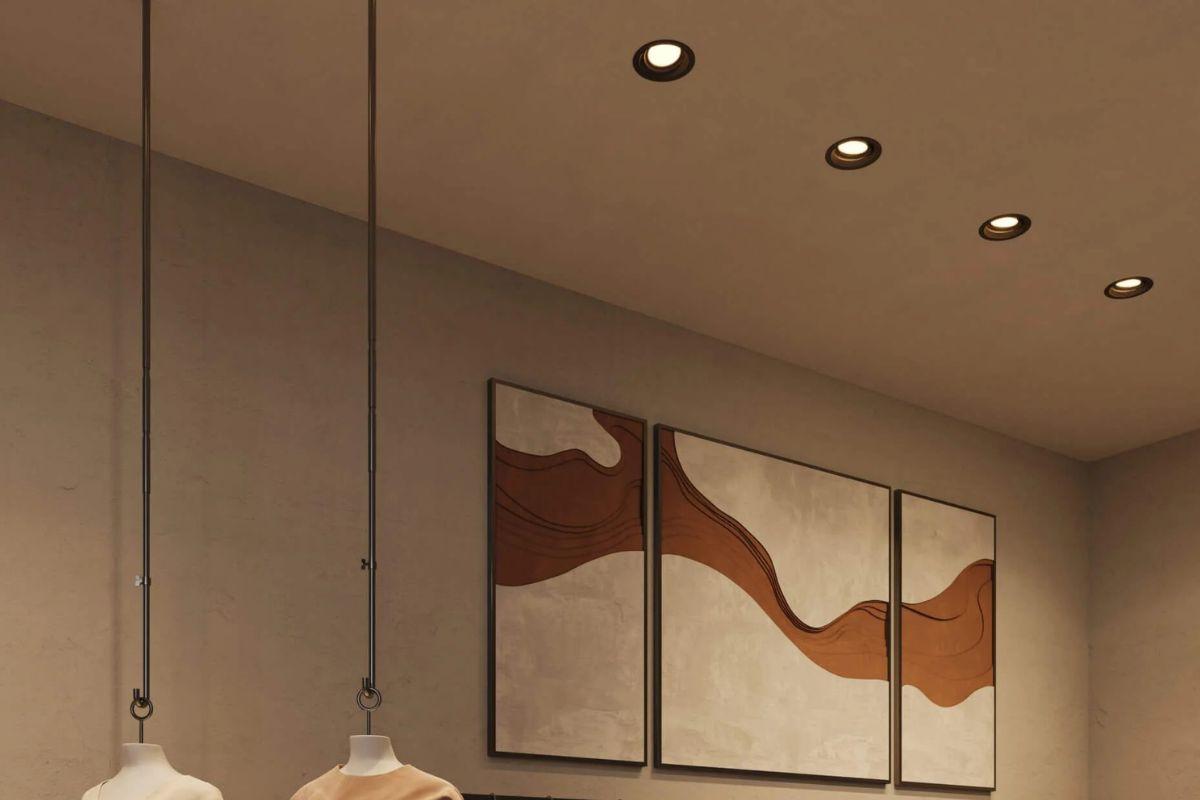
Colour temperature is measured in Kelvin and affects whether recessed lighting looks warm, neutral or cool.
-
Warm White: Around 2700K
2700K recessed lighting creates a soft, inviting appearance. It’s an ideal choice for bedrooms, living rooms and spaces where comfort is the priority. Warm light also works well with wood, beige, cream and traditional finishes.
-
Soft to Neutral White: Around 3000K
3000K is a popular residential choice because it still feels warm but looks slightly cleaner and brighter than 2700K. It can work well in kitchens, bathrooms, living rooms and open-concept spaces.
-
Neutral White: Around 3500K
3500K recessed lighting offers a balanced, neutral appearance. It can suit kitchens, basements, home offices and contemporary interiors where you want a slightly crisper look.
-
Cool White: Around 4000K
4000K has a cooler, brighter appearance and can work well in utility rooms, garages, workspaces or other task-focused spaces.
Cool light isn’t automatically better for task lighting. Brightness, colour rendering, beam angle and placement also affect visibility. If you’re unsure, selectable LED recessed lights can provide several colour temperature settings in one fixture.
What You Need to Consider When Choosing Recessed Lighting
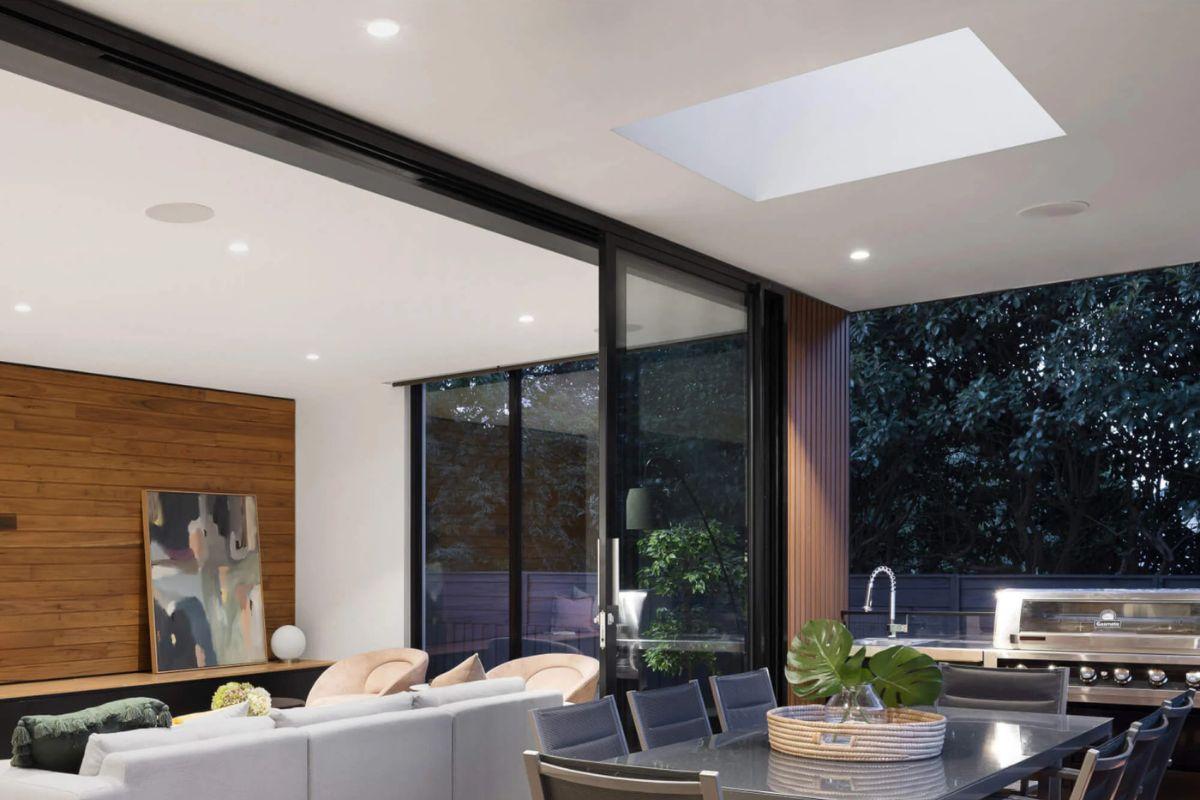
Before buying recessed lighting, think about the complete lighting plan rather than each light fixture on its own.
-
Purpose
Decide whether your recessed lighting will provide ambient lighting, task lighting, accent lighting or a combination. General lighting typically needs wider, even coverage. Task lighting should provide useful direct light over work areas. Accent lighting often uses adjustable fixtures or narrower beams to highlight a surface or object.
-
Ceiling Height
Ceiling height affects beam spread, brightness and spacing. A higher ceiling may need stronger recessed light fixtures or a different beam angle to deliver enough light to the floor or work surface.
Lower ceilings can benefit from smaller, low-profile fixtures that preserve a sense of space.
-
Placement and Spacing
There’s no single spacing formula that works for every recessed lighting plan. The ideal distance between lights depends on ceiling height, beam angle, lumen output and room use.
Use the manufacturer’s spacing or photometric guidance as a starting reference, then adjust the layout around counters, furniture, walls and focal points. Poor planning can create dark spots, excessive glare or uneven pools of light.
-
Housing and Ceiling Space
Check what’s above the ceiling before choosing recessed lighting. Traditional housings need enough space for the housing itself, while canless recessed lighting fits into shallower areas.
Ceiling joists, ductwork, plumbing, insulation and wiring can all affect installation. In finished construction with limited access from above, canless or remodel fixtures can simplify the project.
-
Insulation Contact
If insulation is present, confirm whether the recessed lighting needs to be IC rated. IC rated fixtures are designed for direct contact with insulation, while non IC rated fixtures require the specified clearance around the housing.
-
Trim and Glare
Trim is one of the most visible parts of traditional recessed lighting. Baffle trims can help reduce glare, reflector trims can increase and direct light, and gimbal trims support adjustable aiming.
White trim can blend into a white ceiling, while black or metallic trim can create a more noticeable design detail.
-
LED, Bulbs and Energy Use
Many modern recessed lights use integrated LED technology, which can reduce energy use and minimize bulb replacement.
If a recessed fixture uses replaceable bulbs, check the required bulb shape, base, wattage and maximum rating. LED bulbs can be an efficient alternative to older halogen bulbs, but the bulbs, fixture and dimmer need to be compatible.
-
Dimming and Control
Dimming gives you more control over recessed lighting throughout the day. Bright light can support cooking, cleaning or work, while lower levels can create a more relaxed atmosphere.
If you want dimmable recessed lights, ensure the LED fixture or bulbs and the wall control are designed to work together.
-
Installation
Installation can involve cutting a ceiling hole, adding housings, running new wiring or working around framing and insulation. If the project requires new electrical wiring, or you’re unsure about clearances, moisture ratings or insulation contact, use a qualified electrician.
Professional installation can also help confirm the recessed lighting layout before holes are cut.
-
Cost
Recessed lighting costs depend on fixture type, size, trim, LED features and installation complexity. Replacing existing fixtures is often simpler than adding new lights where wiring doesn’t already exist.
New construction, difficult ceiling access, high ceilings, added wiring and electrical changes can increase the overall cost. When comparing options, account for the full system, including housing, trim, bulbs, dimmers, wiring and labour.
Find the Right Recessed Lighting for Your Space
The right recessed lighting can make a room feel brighter, more functional and more polished without taking up visual space. Whether you’re looking for compact downlights, canless LED options or fixtures for kitchens, bathrooms and living areas, Lights Canada has options for a range of spaces and lighting needs.
Explore recessed lighting at Lights Canada to find the right size, style and finish for your home.
