

LED vs Incandescent Bulbs: Which Is Better for Your Home?

Choosing the right light bulbs can affect both your electricity bill and the atmosphere of your home. Incandescent bulbs are known for their warm, familiar glow, while LED bulbs offer greater energy efficiency and a much longer lifespan. In this guide, we'll compare LED lighting and incandescent bulbs, explore their long-term costs and help you choose the right lighting for your home.
LED vs. Incandescent Lights: A Comparison
LED and incandescent bulbs produce light differently, which affects their efficiency, lifespan, and overall performance. Here's a breakdown of how they compare.
|
Feature |
LED Bulbs |
Incandescent Bulbs |
|
Energy use |
Low |
High |
|
Average lifespan |
15,000–50,000 hours |
Around 1,000 hours |
|
Upfront cost |
Higher |
Lower |
|
Electricity costs |
Much lower |
Much higher |
|
Heat output |
Lower |
High |
|
Light quality |
Wide range of options |
Naturally warm light |
|
Dimming |
Depends on compatibility |
Generally smooth |
|
Colour temperature |
Warm to cool white |
Typically warm white |
|
Durability |
Generally more resistant to vibration |
Fragile filament and glass |
LEDs are the clear winner for energy efficiency and lifespan. They use significantly less electricity to produce comparable light and can last many times longer than incandescent bulbs.
Traditional incandescent bulbs still appeal to those who prefer a warmer glow and predictable dimming performance. These days, modern LED bulbs offer a wide range of colour temperatures and brightness levels, making it easier to find an option suited to almost any room.
How Do LED and Incandescent Bulbs Work?
Understanding how each bulb produces light helps explain why their performance differs.
-
How LED Bulbs Work
LED stands for light-emitting diode. These bulbs produce light when an electrical current passes through a semiconductor, releasing energy as visible light with minimal heat.
Because LEDs convert more energy into light rather than heat, they have low heat output and typically consume significantly less energy, around 75–90% less than incandescent bulbs producing similar brightness.
LED light bulbs also contain electronic components that regulate the current. These components help the bulb operate efficiently but can affect dimming performance and lifespan. Excessive heat and poor ventilation can also shorten an LED's life, particularly in enclosed fixtures.
-
How Incandescent Bulbs Work
Incandescent light bulbs produce light by passing electricity through a thin tungsten filament. The filament heats up until it glows, creating the warm illumination associated with traditional household lighting.
However, this process means that most of the energy is used to emit heat rather than visible light, making incandescent bulbs much less efficient. These thin filaments also eventually burn out, giving them a typical lifespan of around 1,000 - 2,000 hours.
One advantage is their straightforward design. Incandescent bulbs generally dim smoothly with compatible switches, making it easy to adjust their brightness and warmth.
What Each Bulb Costs to Run Over Ten Years
The upfront price of a bulb is only part of its actual cost. Electricity consumption and replacement frequency can make a big difference over time.
Let's compare two bulbs that produce the same brightness of approximately a lumen output of 800, similar to a traditional 60-watt incandescent bulb. For this example, we'll assume three hours of daily use, an electricity rate of $0.15 per kilowatt-hour, and a 9-watt LED.
|
Ten-Year Cost |
LED Bulb |
Incandescent Bulb |
|
Power consumption |
9 watts |
60 watts |
|
Daily use |
3 hours |
3 hours |
|
Electricity used |
98.55 kWh |
657 kWh |
|
Electricity cost |
$14.78 |
$98.55 |
|
Estimated bulb replacements |
Usually 1 bulb |
Around 11 bulbs |
Using this example, one single LED bulb saves roughly $83.77 in electricity over ten years, before factoring in the cost of replacing the actual bulb.
For a home with 20 frequently used light fixtures, more energy saving bulbs could save approximately $1,675 over the same period compared to traditional light bulbs.
Although most LED bulbs have a higher upfront cost, they can end up being more cost effective through lower electricity bills and fewer bulb replacements. The savings are the most noticeable in kitchens, living rooms, and other areas where lights are used regularly and consume more energy compared to less used spaces.
These numbers are estimates to help draw a comparison between the two types of bulbs. Actual costs will of course depend on your electricity rates, bulb prices, usage, and product lifespan.
Light Quality: Where Incandescent Light Bulbs Still Win
Energy efficiency isn't the only factor to consider when choosing a bulb. Light quality plays an important role in creating a comfortable atmosphere in your home.
-
Warmth and Colour Temperature
Incandescent bulbs naturally produce warmer light, typically around 2700K. This makes them popular for areas for relaxing or entertaining like living rooms, bedrooms, and dining areas.
LEDs are available in a range of colour temperatures, from warm white to cool daylight. Choosing an LED around 2700K can recreate some of the warmth of incandescent lighting, while cooler options with more blue light work well in task-oriented spaces like kitchens or bathrooms.
-
Colour Rendering
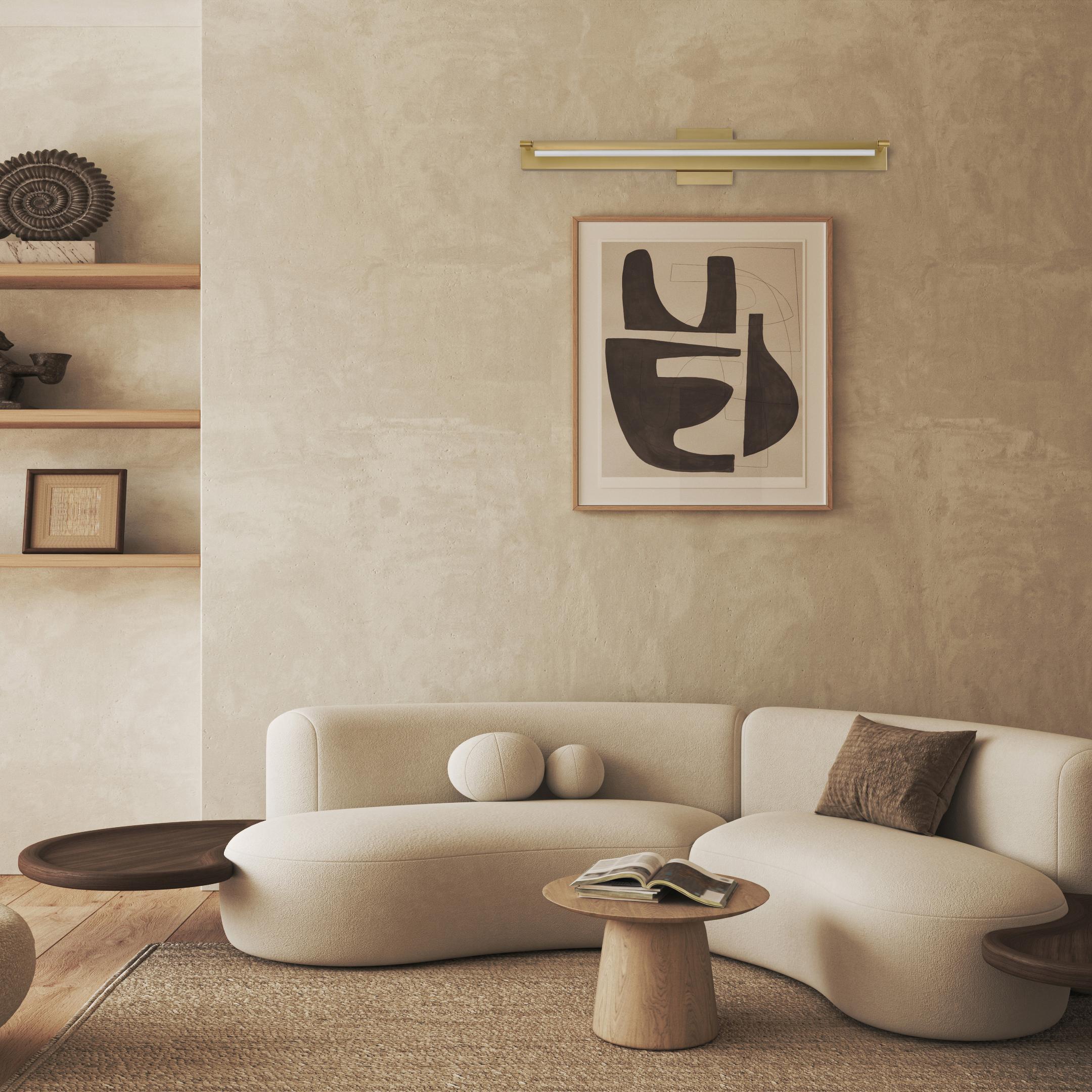
Colour rendering refers to how accurately a light source reveals colours. Incandescent bulbs have a colour rendering index (CRI) close to 100, allowing colours to appear natural.
Standard LEDs usually score between 80 and 82 on the CRI scale, however, high-quality LEDs can also have a CRI of 90 or higher. This makes LEDs useful in spaces where you want artwork, paint colours, and decorative finishes to look their best.
-
Dimming Performance
Incandescent bulbs usually dim smoothly and become warmer as their brightness decreases. LEDs can also dim effectively, but smooth performance depends on compatibility between the bulb itself and the dimmer switch.
Incandescent bulbs still have advantages in natural warmth and predictable dimming, but high quality warm-white LEDs can come close while still using much less energy.
The Common Complaints About LED, and What Causes Them
Although LED efficiency offers electrical energy-saving benefits, some people experience issues with flickering, harsh lighting quality, or inconsistent lighting performance. Understanding the causes can help you choose better bulbs.
-
Flickering
Flickering can happen with low-quality electronics, fluctuations in your power supply, or an incompatible dimmer switch. Make sure to choose quality bulbs and check compatibility if flickering happens when adjusting brightness.
-
Harsh or Uncomfortable Light
Some LED brightness looks more cool or blue-toned light and can feel stark compared with softer incandescent bulbs. This is usually a colour-temperature issue instead of a problem with LED technology itself.
For ambient lighting in living spaces and bedrooms, look for warm-white light bulbs between 2700K and 3000K. For task lighting in kitchens and work areas, a cooler 3000K to 4000K may be better.
-
Shorter-Than-Expected Lifespan
LEDs can fail prematurely or become a fire hazard if exposed to excessive heat or if installed in enclosed fixtures they're not designed for. When buying bulbs, check the manufacturer's specifications and to find bulbs suited to your fixtures.
Investing in high-quality LEDs can help prevent performance issues and avoid frequent replacements.
What to Do With Your Old Bulbs to Reduce Environmental impact
When switching to LED lighting, it's important to dispose of old bulbs responsibly.
-
Incandescent bulbs: These usually belong in household garbage, but are subject to your local waste disposal guidelines. Always make sure to wrap broken bulbs securely to prevent injuries.
-
LED bulbs: These contain electronic components and should be taken to an appropriate recycling facility where accepted.
-
Compact fluorescent bulbs (CFLs): These contain a small amount of mercury and should be taken to an approved hazardous waste collection site or designated recycling location.
In Canada, check your municipality's waste disposal guidelines for local collection options, as not all facilities accept every bulb type. Proper disposal is key for reducing the environmental impact and carbon emissions.
If your existing incandescent bulbs still work, you can continue using them until they burn out. However, replacing frequently used bulbs with energy efficient LED equivalents is a practical way to reduce overall energy consumption and replacement waste.
Which Bulb to Choose, Room by Room
The best bulb depends on how you use each room, the atmosphere you want to create, and the fixtures you have.
-
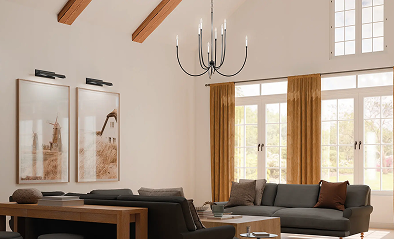
Living Room
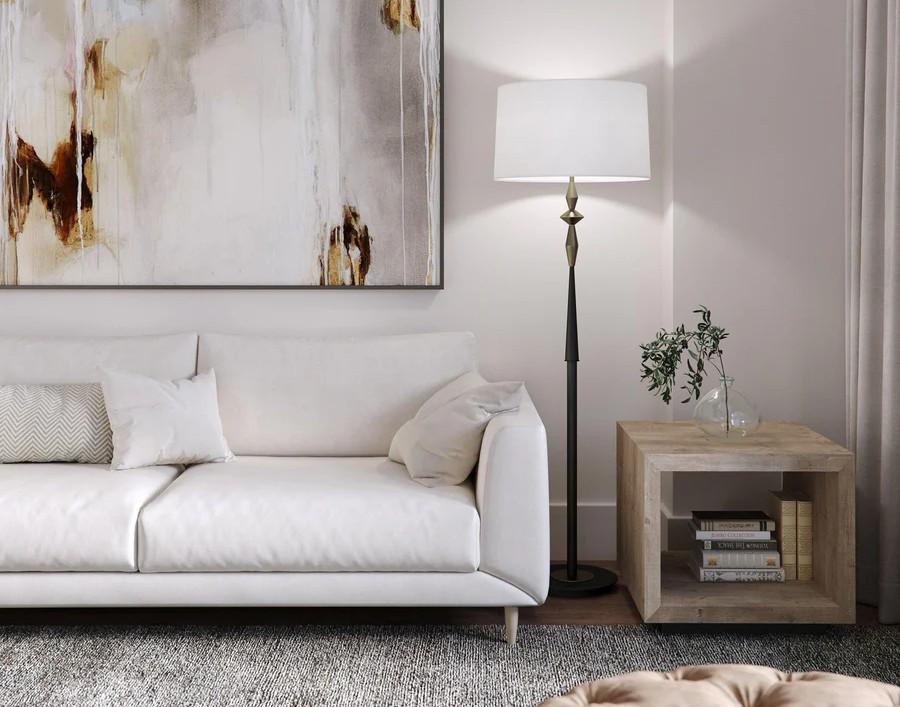
Best choice: Warm-white LED, around 2700K.
Warm lighting creates a comfortable atmosphere for relaxing and entertaining. Choose a dimmable LED with a high CRI to bring out the colours of your furniture, artwork, and decor.
-
Bedroom
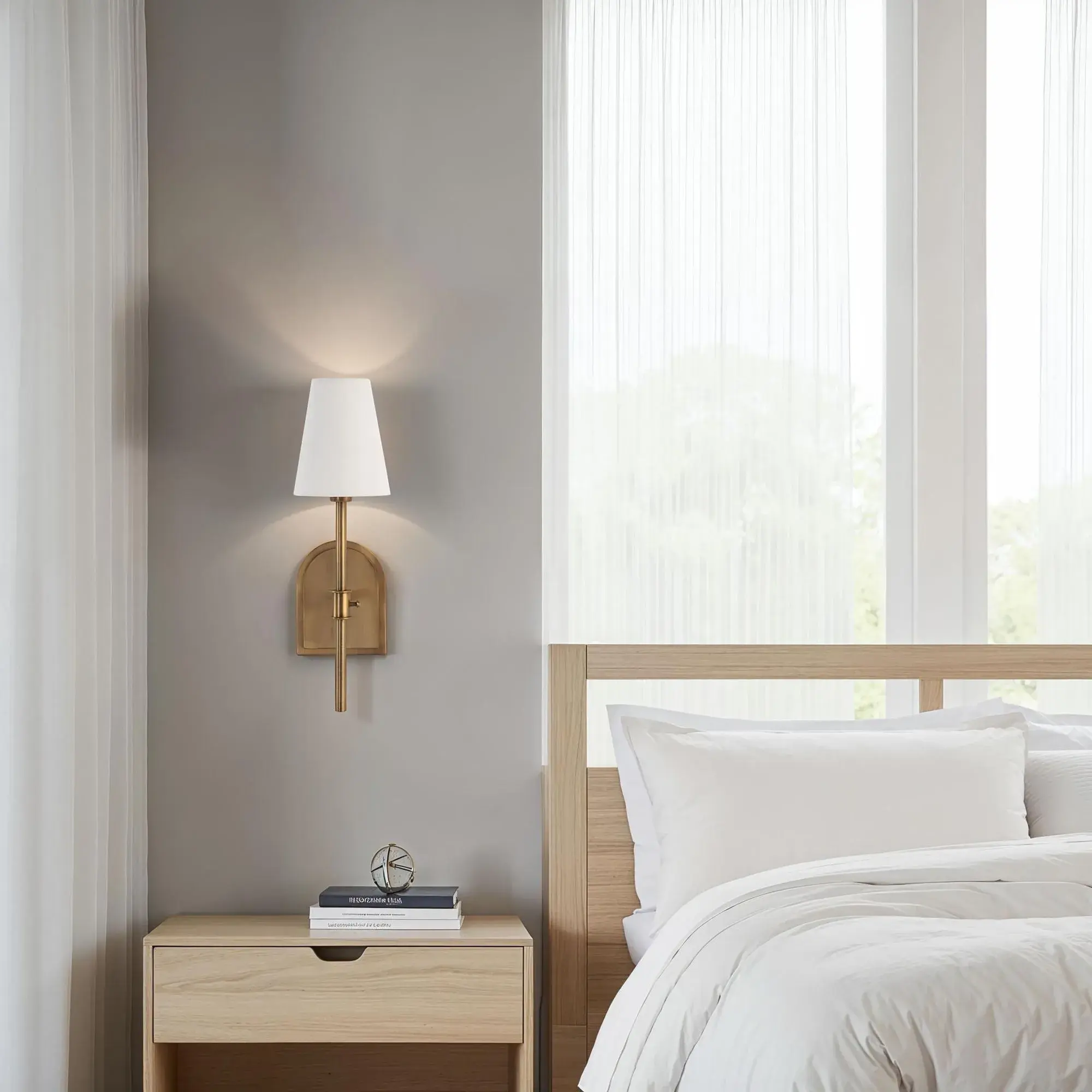
Best choice: Warm-white LED, around 2200K–2700K.
Softer, warmer lighting helps create a relaxing environment. Warm-dimming LEDs are a great choice for bedside lamps and evening lighting.
-
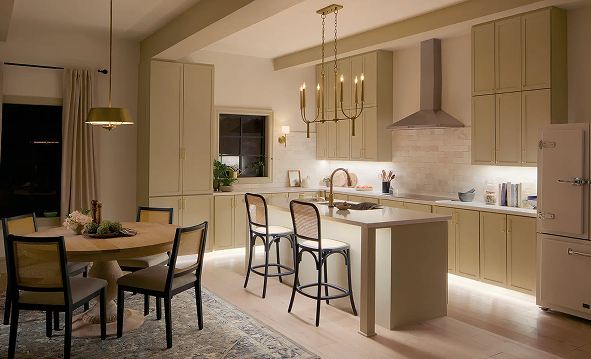
Kitchen
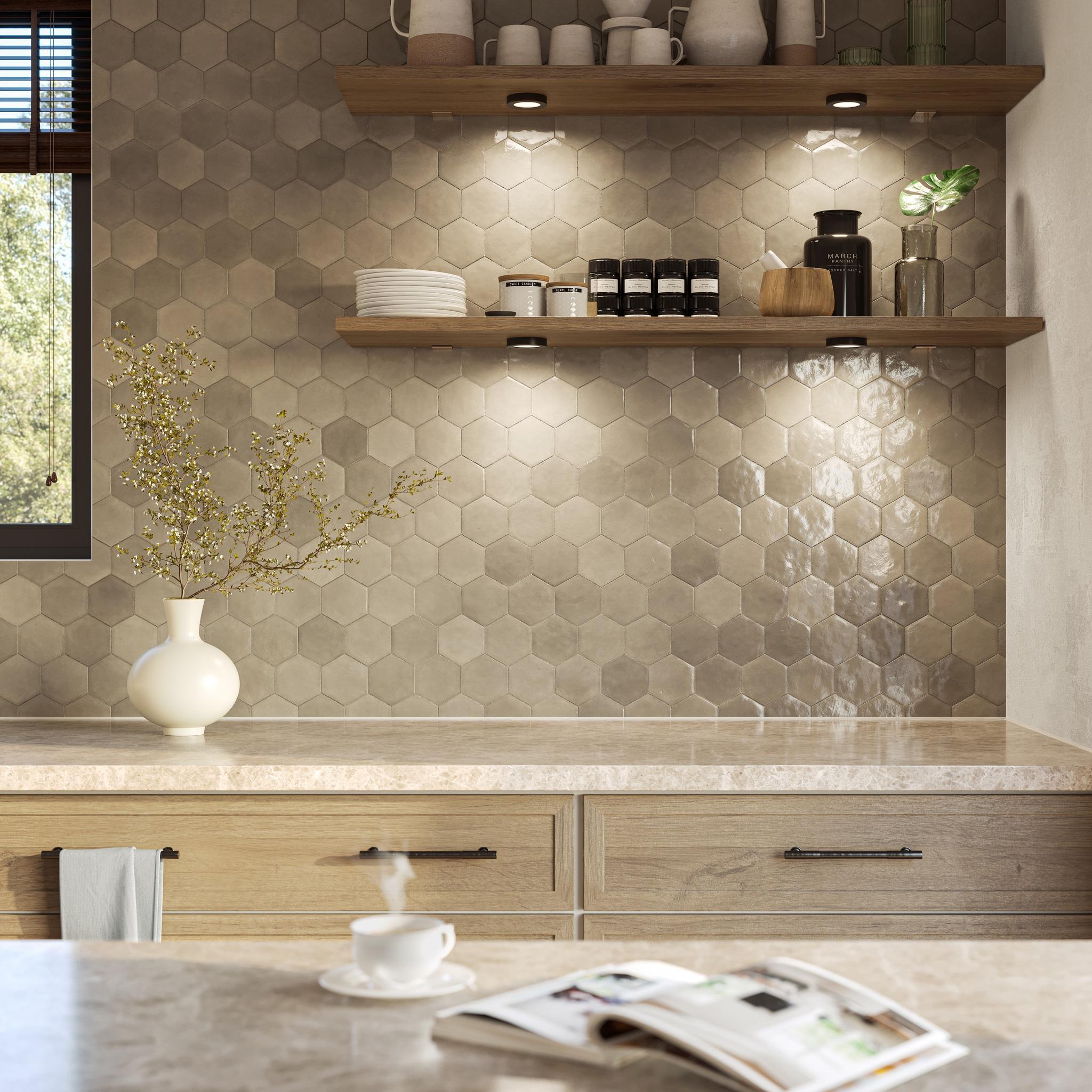
Best choice: LED bulbs around 3000K–4000K.
Kitchens benefit from full brightness and practical lighting for cooking and everyday food preparation tasks. LEDs work well in ceiling fixtures, under-cabinet lighting, and pendants.
-
Bathroom
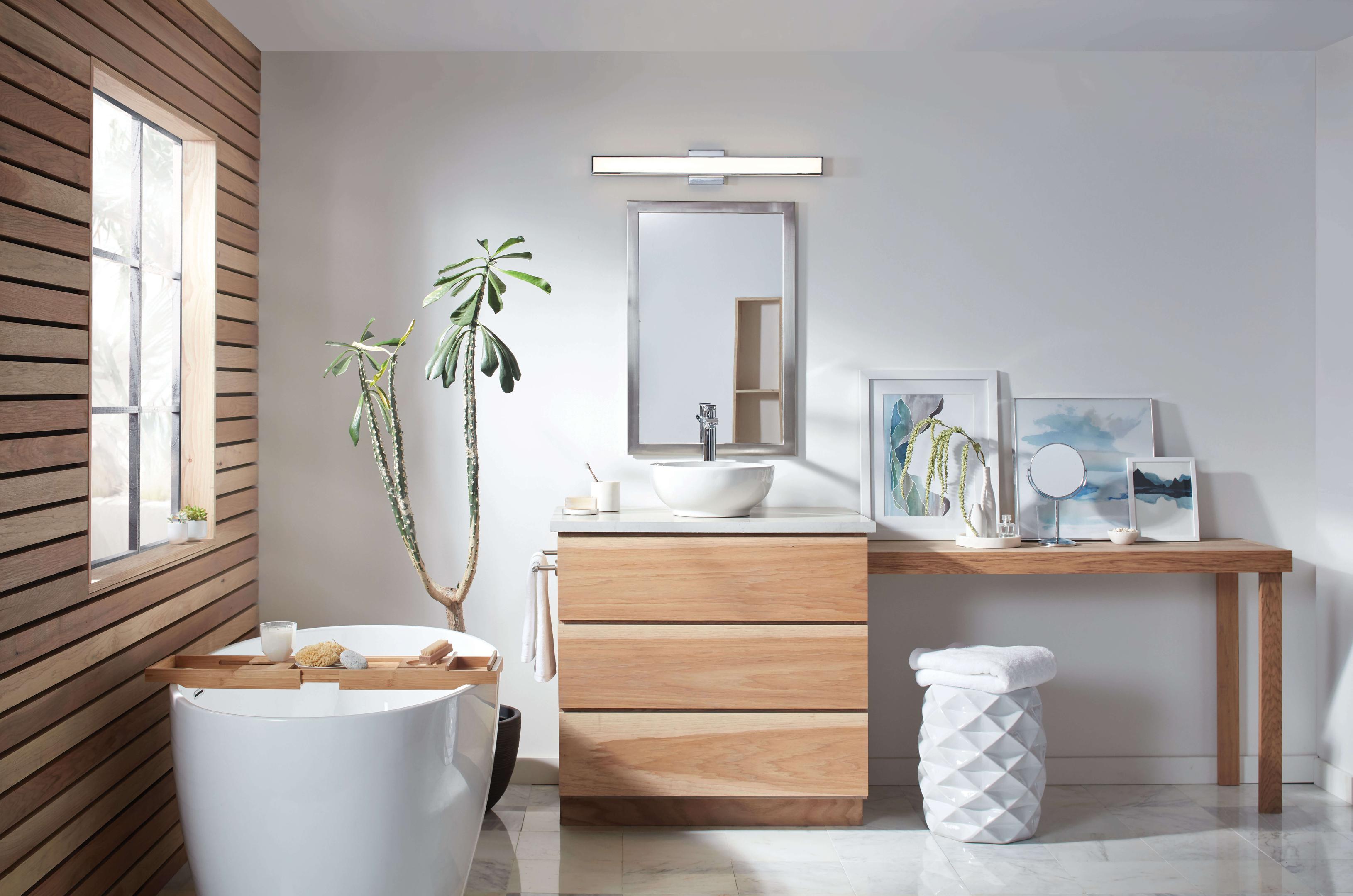
Best choice: LED bulbs around 3000K–4000K with a high CRI.
Good colour rendering is important around mirrors for tasks like grooming and putting on makeup. Make sure to choose specialty incandescent bulbs or LEDs appropriate for the bathroom's moisture conditions.
-
Dining Room
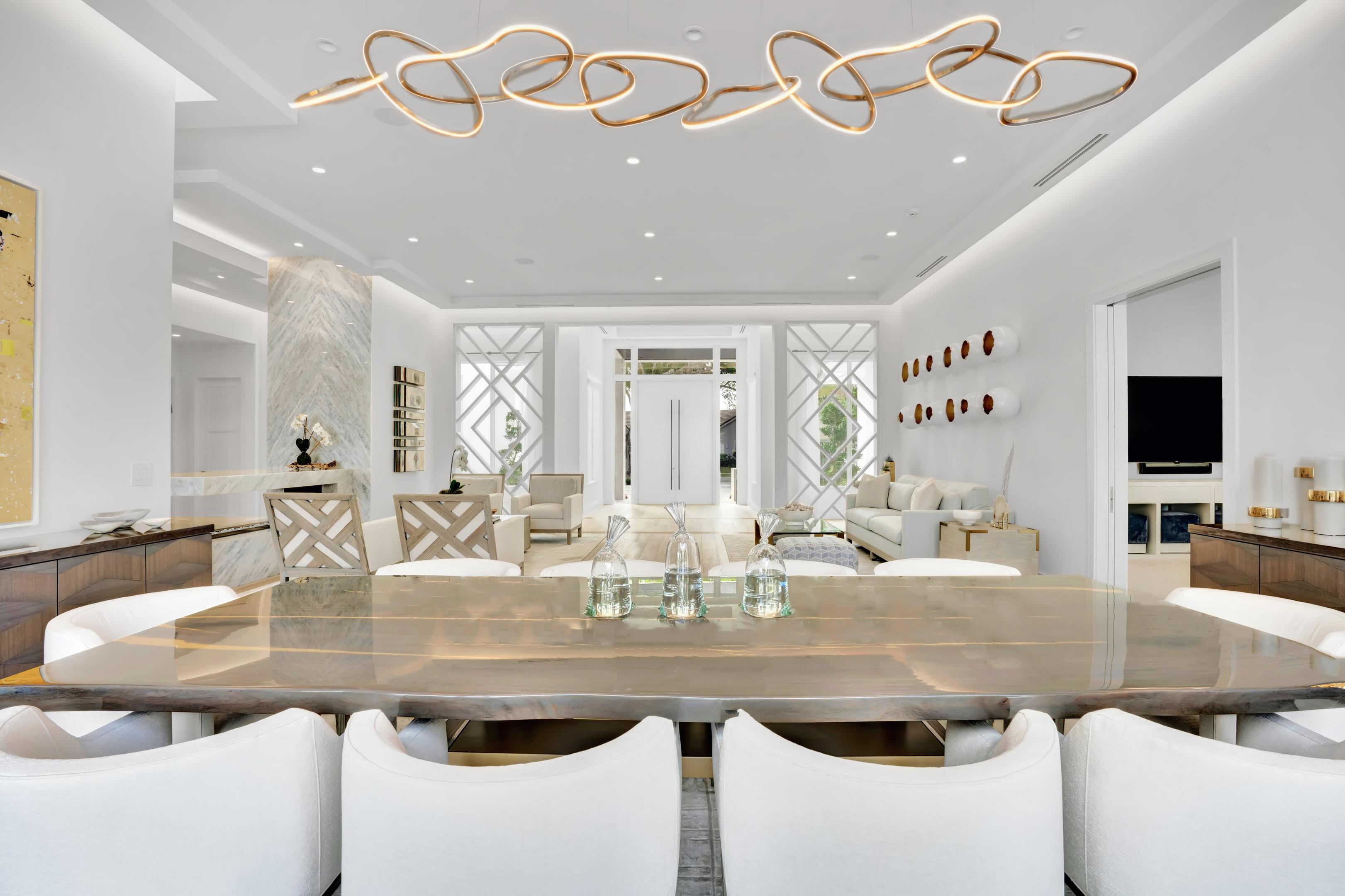
Best choice: Warm-white, dimmable LED, around 2700K.
Warm lighting creates an inviting atmosphere around the dining table. Dimmable bulbs let you adjust brightness for everyday meals and special occasions. For chandeliers and decorative pendants, check the bulb's shape and size before purchasing as not every bulb will fit every fixture.
-
Hallways and Entryways
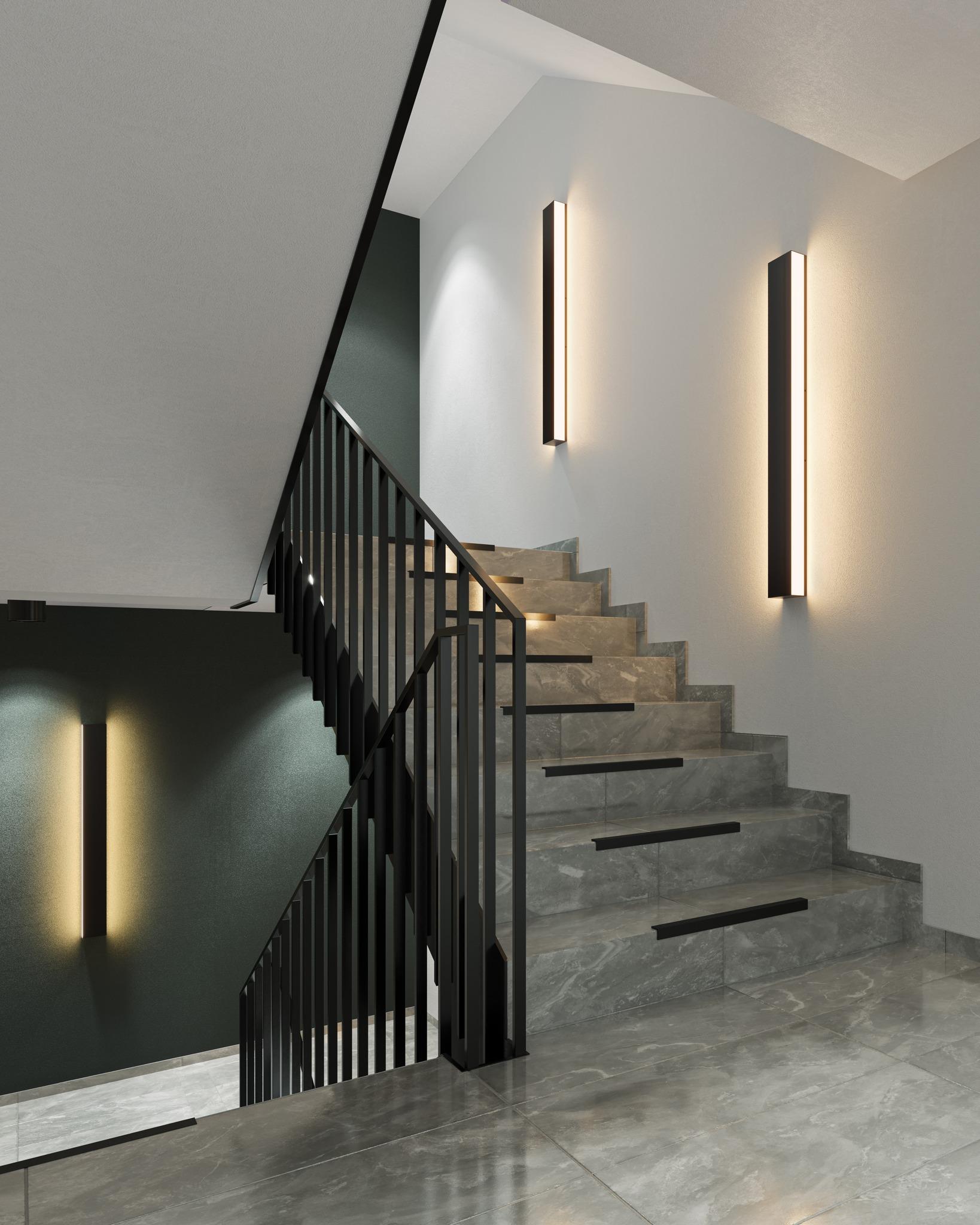
Best choice: LED bulbs around 2700K–3000K.
Hallways and entryways often have multiple fixtures, so switching to LEDs can create significant energy savings. Keeping colour temperatures consistent also creates a cohesive look across your indoor and outdoor lighting.
While LEDs work well in most rooms, incandescent bulbs may still suit specific decorative applications where their warm glow or dimming behaviour is preferred.
Choosing the Right Bulbs for Your Space
For most households, LED bulbs are the preferred choice. They use significantly less electricity, last much longer, and come in a wide range of brightness levels, colour temperatures, and styles.
Incandescent bulbs still offer excellent colour rendering and naturally warm light, but their higher energy consumption and shorter lifespan make them less practical for everyday use.
The key is to choose bulbs based on the needs of each room. Look for warm-white LEDs in living areas, high-CRI options where colour accuracy matters, and compatible dimmable bulbs wherever you want greater control over the atmosphere.
With the right lighting choices, you can create a comfortable home atmosphere and save energy to reduce energy costs for years to come.
Shop Lights Canada to Find the Perfect Energy Efficient Fixture
Lights Canada offers a full range of lighting fixtures to suit your style, with options for both LED and incandescent bulbs. Explore the collection to find the perfect lighting for every room in your home.
